It’s okay to be indisciplined, A lesson from Viktor Frankl’s life

โ€œI am unspeakably tired, unspeakably sad, unspeakably lonelyโ€ฆIn the camp, you really believed you had reached the low point of lifeโ€Šโ€”โ€Šand then, when you came back, you were forced to see that the things had not lasted, everything that had sustained you had been destroyed, that at the time when you become human again, you could sink into an even more bottomless suffering.โ€โ€Šโ€”โ€ŠViktor Frankl

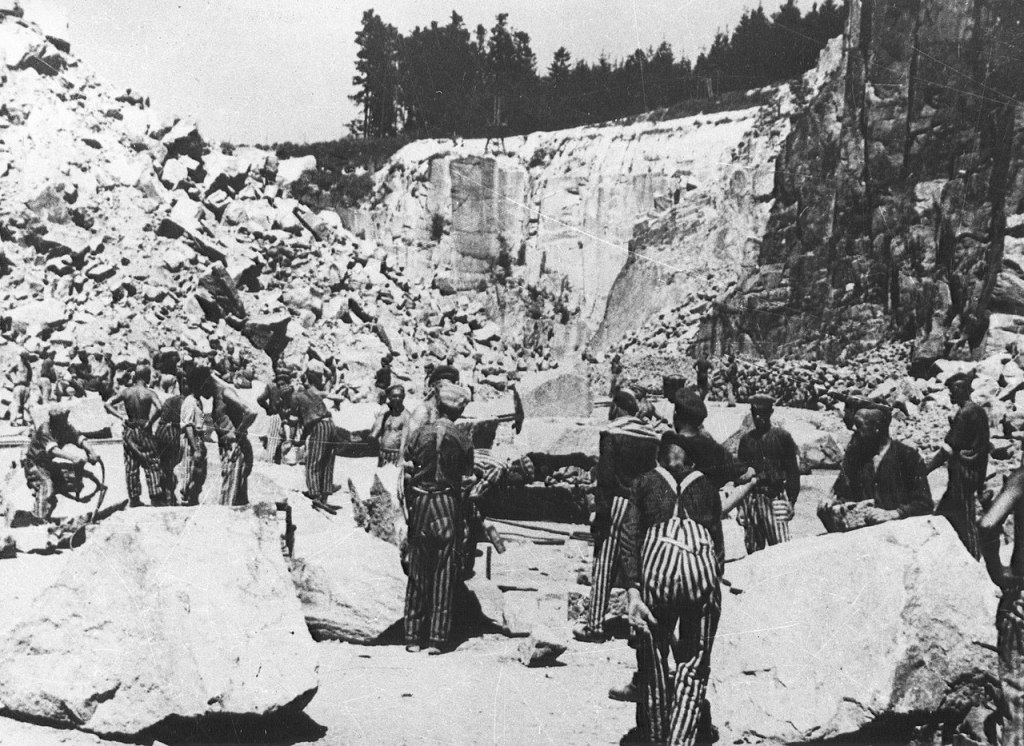
I remember reading A Manโ€™s Search for Meaning by Viktor a few years ago, and there is one story that made a huge impact on me. He talks about asking if someone saw his friend, and a person points to the smoke coming out of a chimney in the camps and says, โ€œThere is your friend, on his way to heavenโ€.

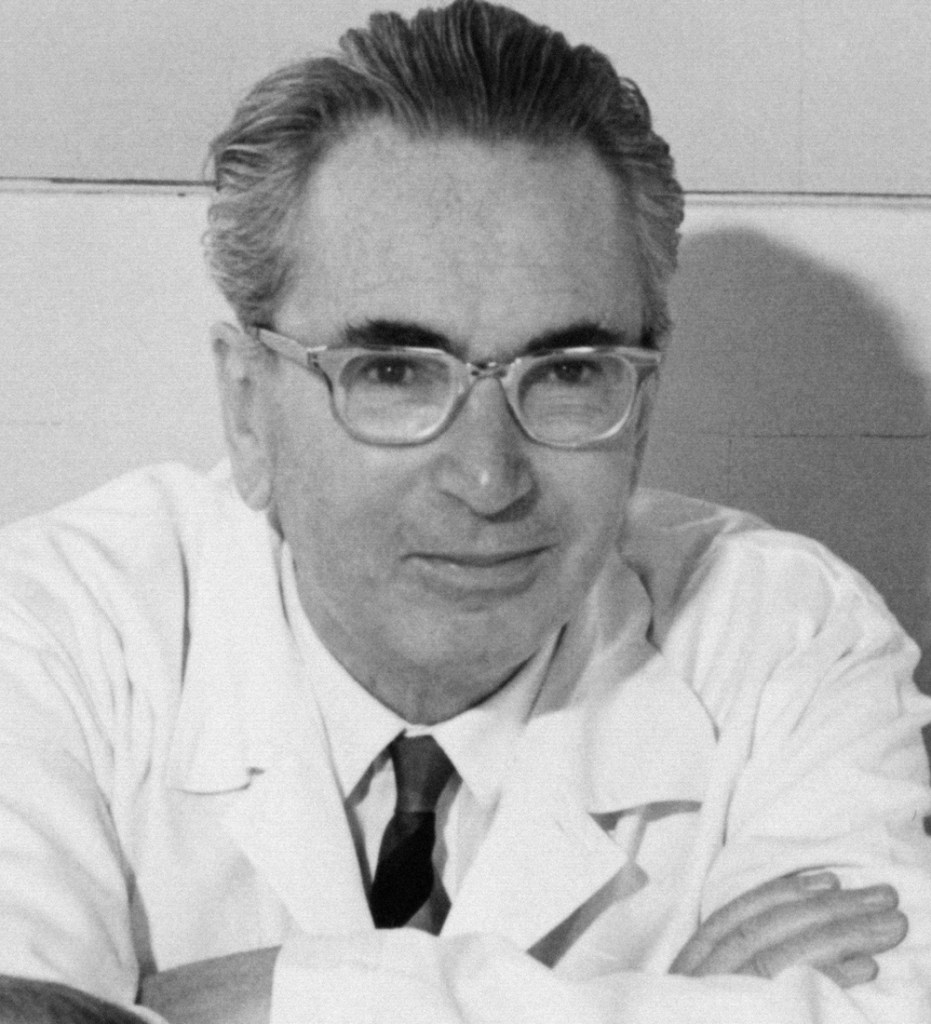
Viktor Frankl, who survived the camps, who survived atrocities that give me chills even as I am simply writing about them, felt lonely, he felt hopeless, he felt tired. Not when he was in the camps, but in fact when he got out of them.
We donโ€™t give ourselves the room to fall out of line. We tie ourselves to so many goals, so many things, and when one thing doesnโ€™t pan out the way we planned, we get completely derailed.

Cal Newport, in his book Slow Productivity, mentions that โ€œfocusing on fewer tasks and making longer-term goals allows us to give ourselves the space to fall out of line once in a while.โ€

Well, itโ€™s not just about having fewer goals. It’s about understanding that discipline and progress go hand in hand and could simply be measured in the time period of โ€œyears,โ€ not days.

On a day-to-day basis, we can let things slide as long as we donโ€™t get stuck right there. As long as we choose to get back out there and start working towards our goals.

Our beliefs make us who we are. If we think that we donโ€™t have any more room to grow, then we donโ€™t.

Here is something really interesting Ryan Holiday mentions in his book Discipline is Destiny:

โ€œIn addiction circles, they use the acronym HALTโ€Šโ€”โ€ŠHungry, Angry, Lonely, Tiredโ€Šโ€”โ€Šas a helpful warning rubric for the signs and triggers for a relapse. We have to be careful, we have to be in control or we risk losing it all.โ€

Letโ€™s just take a minute to think about all the times when things got out of hand. Were we stuck in any of these โ€œHALTโ€ stages?

I know I definitely was.

The point is, โ€œItโ€™s okay to let go sometimes. Itโ€™s okay if you have to do that involuntarily, even. Itโ€™s okay as long as you get back to it, get back to do the work that you were put in the world to do, as Marcus Aurelius would probably say.โ€

Read. Reflect. Repeat: The Career Edge of a Thoughtful Mind

Thereโ€™s a quiet weapon in the careers of people who seem to always be two steps ahead. It doesnโ€™t post about itself on LinkedIn thrice a week. It doesnโ€™t show up in KPIs. But itโ€™s there, tucked between the margins of books and the pages of old notebooks: a personal system for reading and reflection.

Warren Buffett reads six hours a day. Bill Gates famously takes reading vacations. Barack Obama kept a journal as a young man, filling it with reflections, frustrations, fragments of poetry, and political questions. These are a part of a disciplined way of thinking.

Look, we are drowning in noise. Slack pings. Industry updates. A thousand browser tabs. In that environment, reading deeply is simply an act of rebellion. More than that, itโ€™s a long-term career advantage.

Because what do careers really run on? Pattern recognition. Judgment. Strategic imagination.

And those things donโ€™t come from hustle alone. Theyโ€™re cultivated in silence. They come from sitting with Montaigneโ€™s essays or Joan Didionโ€™s clarity. From rereading a paragraph three times because it struck something. From seeing your own half-formed thoughts turn into full sentences in a journal and thinking โ€” so thatโ€™s what I really believe.

Robert Caro, the biographer behind The Power Broker, keeps a notebook titled โ€œReading Notes.โ€ He copies down passages longhand, forcing himself to slow down and absorb. โ€œYou have to see the writing,โ€ he says. Not just the facts. The shape of thought behind them.

Even Leonardo da Vinci kept detailed notebooks with sketches, inventions, shopping lists, philosophical musings and everything in between. Centuries later, we still study them. Why? Because they show the scaffolding of genius. The half-steps. The messy drafts. The questions.

We are systematizing insight. Building a palace where ideas accumulate. A system where connections spark. A rhythm that makes reflection a habit rather than a luxury.

One practical approach? A daily ritual. Ten minutes in the morning with a book that challenges you. Jot down what stood out. Once a week, scan your notes. What patterns are emerging? Whatโ€™s shifting in your thinking?

A year of this and youโ€™re not just better read. Youโ€™re sharper in meetings, clearer in writing, more persuasive in your proposals. You start seeing what others miss.

Most people skim. Most people forget. But the person who reads and reflects with intention builds an inner archive.

So read. Reflect. Repeat. Not because itโ€™s trendy. But because it sharpens the one thing your job will always demand. Your mind.