It’s okay to be indisciplined, A lesson from Viktor Frankl’s life

โ€œI am unspeakably tired, unspeakably sad, unspeakably lonelyโ€ฆIn the camp, you really believed you had reached the low point of lifeโ€Šโ€”โ€Šand then, when you came back, you were forced to see that the things had not lasted, everything that had sustained you had been destroyed, that at the time when you become human again, you could sink into an even more bottomless suffering.โ€โ€Šโ€”โ€ŠViktor Frankl

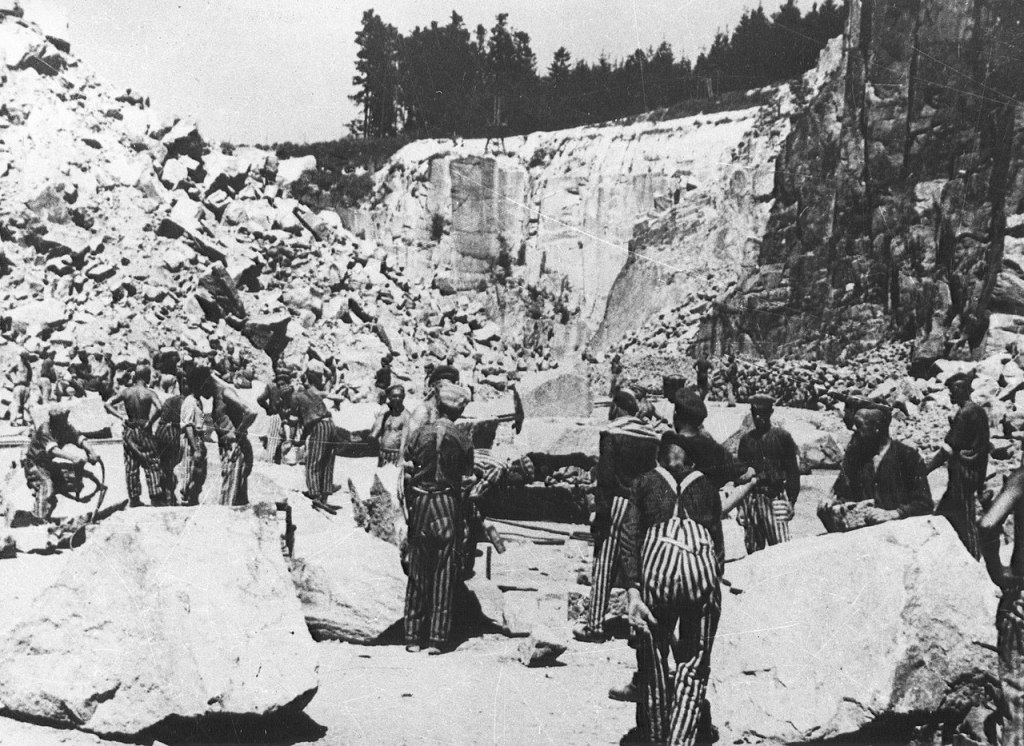
I remember reading A Manโ€™s Search for Meaning by Viktor a few years ago, and there is one story that made a huge impact on me. He talks about asking if someone saw his friend, and a person points to the smoke coming out of a chimney in the camps and says, โ€œThere is your friend, on his way to heavenโ€.

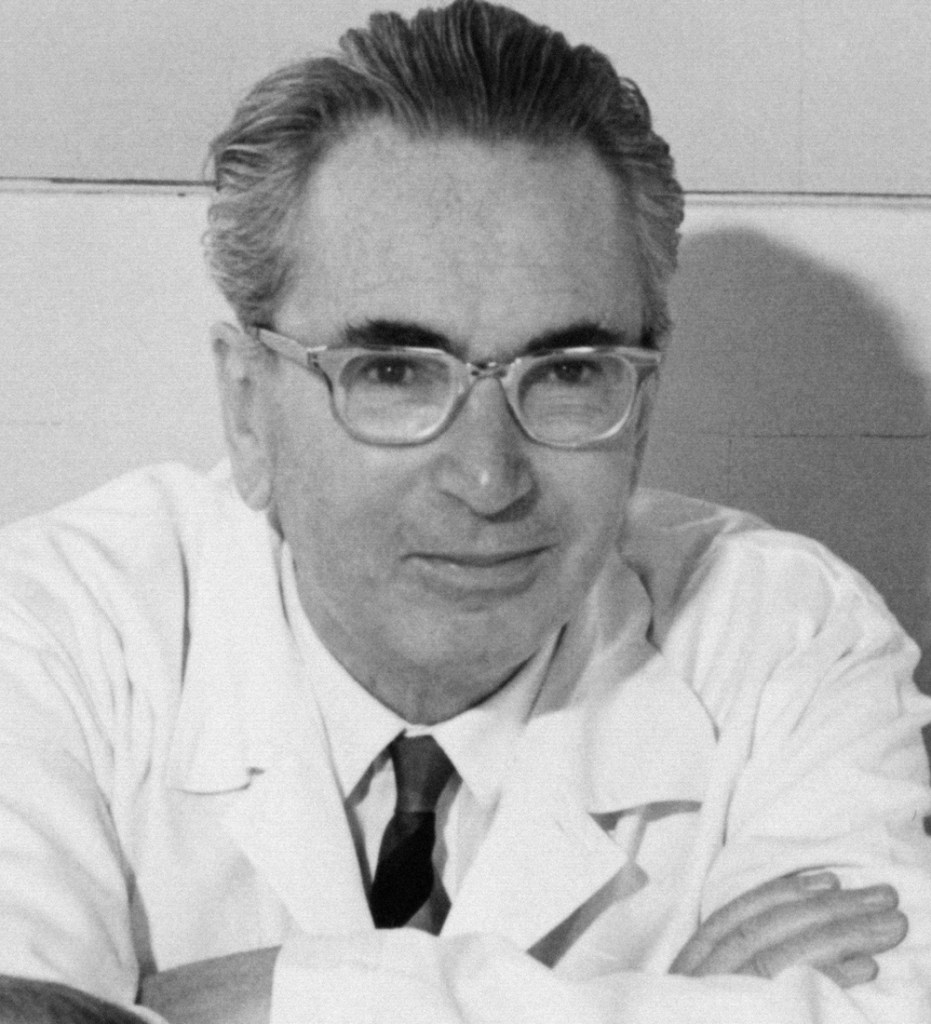
Viktor Frankl, who survived the camps, who survived atrocities that give me chills even as I am simply writing about them, felt lonely, he felt hopeless, he felt tired. Not when he was in the camps, but in fact when he got out of them.
We donโ€™t give ourselves the room to fall out of line. We tie ourselves to so many goals, so many things, and when one thing doesnโ€™t pan out the way we planned, we get completely derailed.

Cal Newport, in his book Slow Productivity, mentions that โ€œfocusing on fewer tasks and making longer-term goals allows us to give ourselves the space to fall out of line once in a while.โ€

Well, itโ€™s not just about having fewer goals. It’s about understanding that discipline and progress go hand in hand and could simply be measured in the time period of โ€œyears,โ€ not days.

On a day-to-day basis, we can let things slide as long as we donโ€™t get stuck right there. As long as we choose to get back out there and start working towards our goals.

Our beliefs make us who we are. If we think that we donโ€™t have any more room to grow, then we donโ€™t.

Here is something really interesting Ryan Holiday mentions in his book Discipline is Destiny:

โ€œIn addiction circles, they use the acronym HALTโ€Šโ€”โ€ŠHungry, Angry, Lonely, Tiredโ€Šโ€”โ€Šas a helpful warning rubric for the signs and triggers for a relapse. We have to be careful, we have to be in control or we risk losing it all.โ€

Letโ€™s just take a minute to think about all the times when things got out of hand. Were we stuck in any of these โ€œHALTโ€ stages?

I know I definitely was.

The point is, โ€œItโ€™s okay to let go sometimes. Itโ€™s okay if you have to do that involuntarily, even. Itโ€™s okay as long as you get back to it, get back to do the work that you were put in the world to do, as Marcus Aurelius would probably say.โ€

Old People Know the Secret to Happiness in Life

Across different cultures in the world there is a notion that old people tend to live slower, are usually happier and also savor the small positives in life.

Some say it is because they don’t spend a lot of time on Twitter or social media in general but in truth there is a deeper reason to this.

It turns out that old people have subconsciously trained their brains to be “happier”.

I was going through my index card notes and out popped an index card that mentions a study done by a Stanford Psychologist. (this is from the book Deep Work by Cal Newport)

Laura Carstensen conducted an fMRI study where she studied the brain response of young and old people towards positive and negative imagery.

For young people their Amygdylla fired up with positive as well as negative imagery however for old people it only fired up with the positive stuff.

This means that the brain of someone who is much older actively bypasses the negative stuff almost completely ignoring it automatically while increasing their acceptance of positive imagery!

But here is the kicker, have you heard of Neuro Plasticity? Well, it simply means that all of us can rewire our brains in specific ways no matter who we are and our age.

So we too can train ourselves to be more stoic in our daily lives with more practice.

The 0 Competition Path To Success

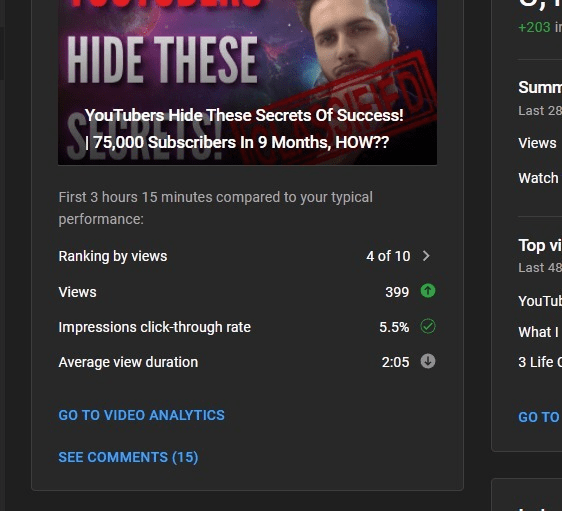
So, I published a 50 minute in depth YouTube video today on Grow With Shivam channel.

The aim was to go deep and talk about my journey as a YouTuber, lessons learnt, making money and everything else that a beginner will need to start on YouTube.

The average watch time is 2 minutes. Usually people run videos at 1.5x speed but when the video itself is 50 minutes long even a 1.5x speed is not going to get you done within a minute.

Average view duration is 2:05 out of 400 views in the first 3 hours

This shows us that more than 99% of the people in this world have reducing attention spans, reduced patience and do not want to learn stuff in depth.

Here in lies our opportunity.

Since maximum people are not interested to go in depth or to be patient with the process there is literally 0 competition for people like us.

0 competition for people who want to build their own category in whatever they want to do. Instead of fighting others in a pre-existing category it is better to create one of our own.

This is also a classic business strategy thing that we use and the technical term that everyone uses for this is the Blue Ocean Strategy.

There is practically 0 competition when it comes to “long form business, marketing and finance videos in English for the Indian audience”

So naturally I am going to tap into this and be one of the few creators doing this in India.

Now of course the size of my potential audience will be much smaller, maybe across India there are like 100k to 200k people interested in such content as of now.

That is just fine, more than enough people. Even if there were 1000 people who would listen to such content from start to end I would still do it because those 1000 people are my perfect audience and I have literally 0 competition to reach them.

Take the 0 competition path to success, create your own category!

The Goal Is Not Important

Let’s say I plan to setup an emergency fund for me and my wife.

If our monthly expenses are INR 75,000 then technically our emergency fund should have INR 2,25,000 – INR 4,50,000.

Now if I take our usual savings and investing rate of 15% each with an approximate salary of INR 1,20,000 then I must at any costs save at least INR 36,000 per month, taking us about 6-12 months to reach the emergency fund target.

Usually what I would look at is the amount of money in my emergency fund on a weekly or monthly basis.

However what if once I know that I need to save at least INR 36,000 towards my emergency fund every single month I stop looking at how big the fund is getting.

What if all my focus is to get that 36,000 saved. Maybe some months I try and save more than that by lowering other useless expenses.

This is me focusing on the process. As an example let’s say something happens and we need to withdraw 75k from the emergency fund.

What now? The amount of money there has gone down, so do I look at the money in the fund or do I simply tell myself that this is a minor setback and we should get back to our regular process of saving 36k.

2.2 Lakh emergency fund is an outcome based goal while saving 36k is a process based goal.

What I have 100% complete control over is actually the process, what I can do to the best of my abilities is the process. The outcome then is the side effect of the process I have been following for the past many months.

It isn’t the goal that matters. Instead it is the process that has the magic engrained in itself.

If we focus on the process, sincerely do everything that the process demands, for however long it demands then getting to the goals is nothing but the side effect of following that process.

We tend to get distracted by the fact that if we hit or miss our target.

It is not about the target.

Now this philosophy can be applied to literally everything in our lives.

Do let me know one such process goal that you have set for yourself.

Here are 2 of mine: Publish at least 2 articles every week on this blog and send a daily finance, money and career newsletter.