“I am unspeakably tired, unspeakably sad, unspeakably lonely…In the camp, you really believed you had reached the low point of life — and then, when you came back, you were forced to see that the things had not lasted, everything that had sustained you had been destroyed, that at the time when you become human again, you could sink into an even more bottomless suffering.” — Viktor Frankl
I remember reading A Man’s Search for Meaning by Viktor a few years ago, and there is one story that made a huge impact on me. He talks about asking if someone saw his friend, and a person points to the smoke coming out of a chimney in the camps and says, “There is your friend, on his way to heaven”.
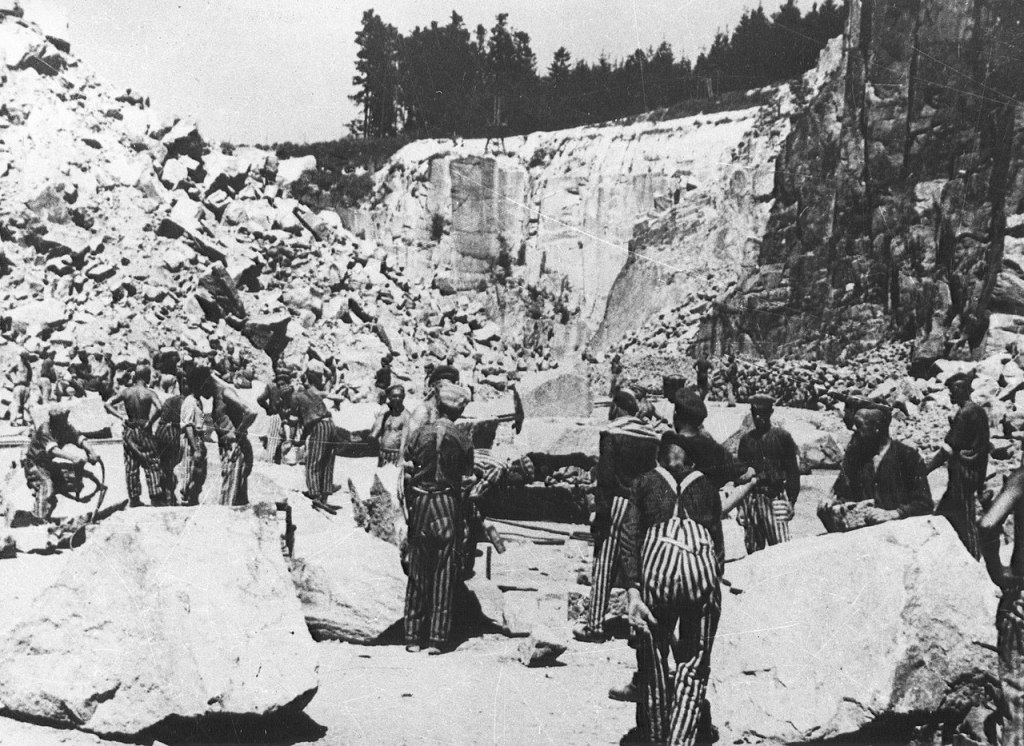
Viktor Frankl, who survived the camps, who survived atrocities that give me chills even as I am simply writing about them, felt lonely, he felt hopeless, he felt tired. Not when he was in the camps, but in fact when he got out of them.

We don’t give ourselves the room to fall out of line. We tie ourselves to so many goals, so many things, and when one thing doesn’t pan out the way we planned, we get completely derailed.
Cal Newport, in his book Slow Productivity, mentions that “focusing on fewer tasks and making longer-term goals allows us to give ourselves the space to fall out of line once in a while.”
Well, it’s not just about having fewer goals. It’s about understanding that discipline and progress go hand in hand and could simply be measured in the time period of “years,” not days.
On a day-to-day basis, we can let things slide as long as we don’t get stuck right there. As long as we choose to get back out there and start working towards our goals.
Our beliefs make us who we are. If we think that we don’t have any more room to grow, then we don’t.
Here is something really interesting Ryan Holiday mentions in his book Discipline is Destiny:
“In addiction circles, they use the acronym HALT — Hungry, Angry, Lonely, Tired — as a helpful warning rubric for the signs and triggers for a relapse. We have to be careful, we have to be in control or we risk losing it all.”
Let’s just take a minute to think about all the times when things got out of hand. Were we stuck in any of these “HALT” stages?
I know I definitely was.
The point is, “It’s okay to let go sometimes. It’s okay if you have to do that involuntarily, even. It’s okay as long as you get back to it, get back to do the work that you were put in the world to do, as Marcus Aurelius would probably say.”

 Atlas of Thought